Monsoon in the Western Ghats: A Slow Traveller's Guide
When the rains arrive, the hills of the Sahyadri turn a green so deep it looks unreal. How to enjoy the season well — and safely — without rushing from viewpoint to viewpoint.
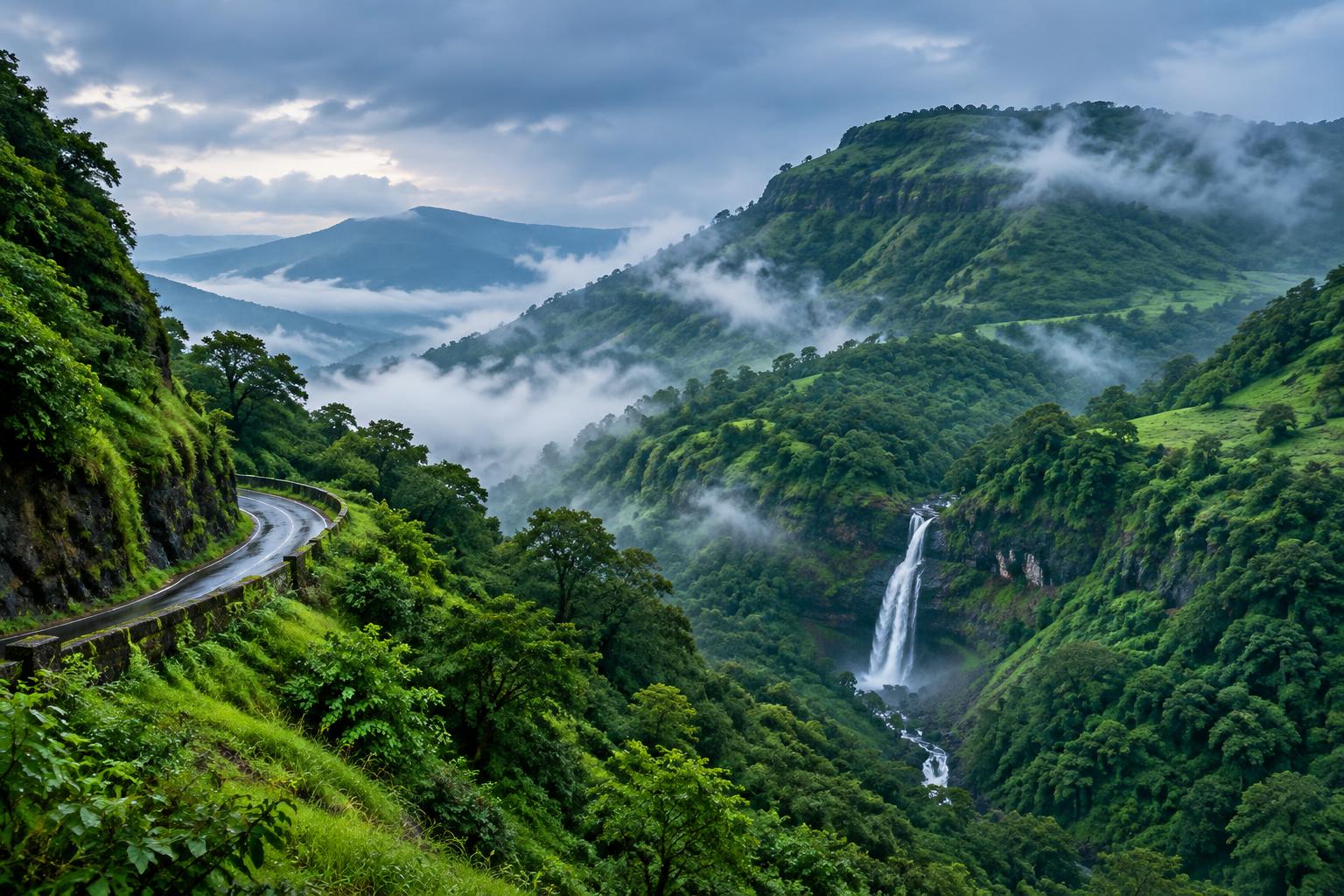
Table of contents
Every June, the south-west monsoon reaches the Western Ghats — the long mountain range that runs down India's western coast — and the landscape changes almost overnight. Dry brown slopes turn emerald. Seasonal waterfalls appear on every cliff. Clouds drift through the valleys at eye level.
It is one of the most beautiful seasons anywhere in the country. It is also one that rewards travellers who slow down.
Choose fewer places, stay longer
Rain changes the pace of everything. Roads take longer, plans shift with the weather and the best moments often come unannounced — a gap in the clouds, a sudden view of the valley floor. Instead of ticking off five hill stations in five days, pick one base and give yourself room to wander.
What to pack
- A proper rain jacket and quick-dry clothes — umbrellas are of little use in hill wind.
- Shoes with real grip; wet laterite rock and moss are very slippery.
- Dry bags or zip pouches for your phone, documents and cash.
- A small torch, as power cuts are common during heavy rain.
Stay safe around water
Monsoon streams can rise within minutes after a downpour upstream, even if it is not raining where you stand. Follow local advice and any restrictions on trails and waterfalls, avoid standing at unfenced cliff edges for photographs, and start walks early so you are back well before dark.
“The world is a book, and those who do not travel read only one page.”
Travel lightly on the land
Popular monsoon spots struggle with litter every year. Carry your rubbish back with you, choose locally run homestays and eateries where you can, and remember that villages near famous viewpoints are people's homes before they are attractions.
Key takeaways
- Pick one base and explore slowly instead of rushing between destinations.
- Pack for real rain: grip, dry bags and a good jacket.
- Respect water, weather and local guidance — conditions change fast.

Written by
Marcus Hale
Historian and traveller writing on culture, history, food and slow journeys.
View profile & all stories →